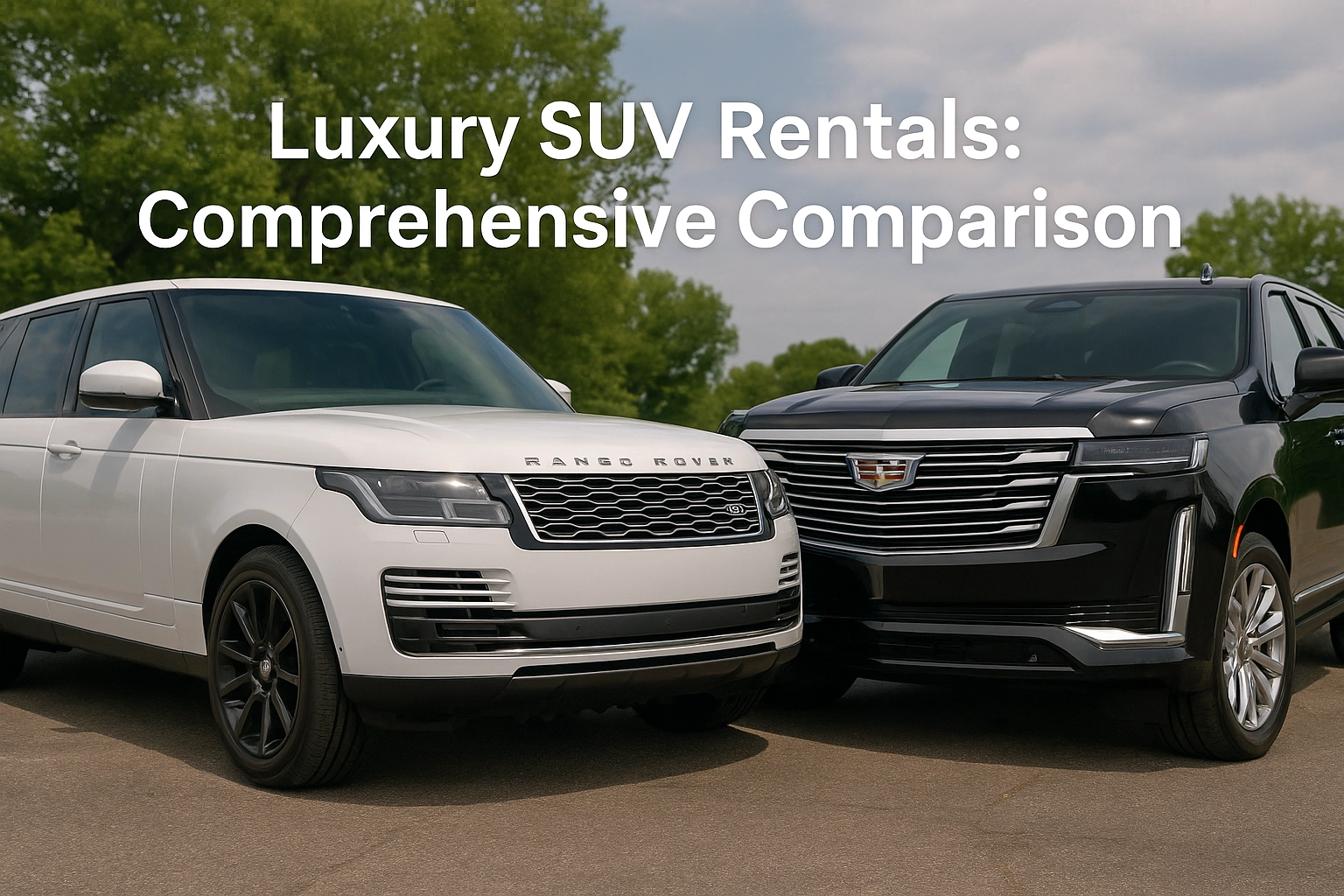
Luxury travel promises seamless movement, yet the real difference between a pleasant ride and a genuinely elevated journey starts at the curb. The rise of the white glove chauffeur service reflects that shift, where precision, discretion, and thoughtful details transform transportation into an extension of the overall travel experience.
In this analysis, you will learn what “white glove” truly means in practice, beyond glossy marketing. We will break down the standards that matter, from fleet quality and chauffeur training to safety protocols, itinerary management, and punctuality metrics. We will examine the role of technology, including real-time tracking, communication, and contingency planning. You will see how pricing models, surcharges, tipping expectations, and cancellation terms influence total cost. We will compare service consistency across cities, evaluate partner networks, and consider sustainability claims. By the end, you will have a practical framework to assess providers, a checklist to separate premium from performative, and clear guidance on when the upgrade delivers ROI for executive travel, events, and leisure itineraries.
Current State of Luxury Chauffeur Services
Elevated comfort and detail define white glove chauffeur service
White glove chauffeur services center on meticulous, hospitality-grade execution. Clients expect late-model luxury vehicles, silent cabins, and amenities like chilled glass-bottled water and premium snacks. Professional chauffeurs calibrate routes, temperature, and entertainment to stated preferences, often logging profiles for returning travelers. Uniformed presentation, luggage choreography, and post-ride sanitization reinforce trust. Public examples highlight curated refreshments and ceremonial service elements, as seen in award-winning luxury service standards. For lifestyle itineraries, operators increasingly deploy luxury SUVs and select premium trucks, including a Ford F-150 Platinum or Jeep Wrangler, for events or ranch transfers.
Why high-profile travelers are driving demand
Security and seamlessness are primary purchase drivers. Providers pair vetted staff with protective protocols, including encrypted communications, GPS geofencing, and contingency routing, a trend spotlighted in 2025 luxury transportation trends. End-to-end coordination is expanding, with airport meet-and-greet, luggage reclaim assistance, and private aviation handoffs, similar to concierge models noted by EU Business News coverage. Privacy is table stakes, so blackout glass, quiet zones for calls, and NDA-backed confidentiality training are now standard. The result is frictionless door-to-door movement for celebrities, executives, and diplomatic teams.
Demand signals and what clients expect in 2025
Market momentum is clear. The chauffeur car segment was about USD 54.2 billion in 2023 and is projected to reach roughly USD 188.9 billion by 2033 at a 13.3 percent CAGR. Adjacent luxury rentals were valued at USD 49.15 billion in 2024, with projections of USD 52.82 billion in 2025 and USD 89.60 billion by 2030. In the United States, forecasts point to a 7.489 percent CAGR through 2035. Expectations coalesce around four pillars, sustainability with EV and hybrid options, smart technology like touchless booking and live ETA sharing, hyper-personalization of routes and amenities, and consistent white-glove delivery standards. Actionably, providers should diversify fleets to include electric flagships and adventure-forward models, integrate CRM-driven preference tracking, add in-car Wi-Fi and power for productivity, and audit security SOPs quarterly; rental operators that already manage premium SUVs and trucks can package chauffeur-led itineraries for corporate roadshows, event shuttles, and outdoor executive retreats.
Key Trends in Luxury Vehicle Rentals
The luxury rental segment is expanding quickly, shaped by sustainability, personalization, and digitalization. Industry valuations reached USD 49.15 billion in 2024 and are projected to climb to USD 89.60 billion by 2030, with global growth estimates near 9 percent CAGR and the US tracking about 7.5 percent. For providers delivering a white glove chauffeur service, these forces are redefining fleet strategy and guest experience design.
Growing interest in electric and hybrid luxury vehicles
Electrification has shifted from experiment to expectation. In 2024, about 22 percent of new fleet additions across global operators were hybrid or electric, signaling client readiness for quiet, low-emission rides without sacrificing performance, per the global luxury car rental market analysis. For chauffeured itineraries, EVs enhance cabin serenity and reduce idle emissions at venues with strict environmental policies. Actionable steps include verifying charging logistics before multi-stop events, requesting preferred charging speed in-vehicle equipment, and asking for real-time range planning in the itinerary. Providers like DFW Rentals Co. can meet demand by pairing popular premium SUVs and trucks with fuel-efficient trims today while planning phased EV integrations.
Increased demand for personalized and concierge services
Clients increasingly want tailored services that extend beyond keys and contracts. Industry trackers report that a growing share of bookings bundle chauffeurs, event-specific amenities, and bespoke routing, with approximately 18 percent of rentals including some form of concierge element. White glove chauffeur service now often includes profile-based amenities, quiet cabin policies for work calls, and coordinated curbside timing with venue security. Practical tip for requesters: share a detailed preference profile 48 hours before pickup and specify packaging for valuables, dietary needs, and media connectivity to lock in flawless execution.
Sustainability and technology driving fleet innovations
Technology is sharpening both service quality and unit economics. AI-driven pricing and customer matching have demonstrated utilization gains near 19 percent and higher repeat bookings, according to a market outlook and digital innovations. Telematics and predictive maintenance minimize downtime, while eco-minded interiors and lifecycle reporting help corporate clients meet ESG goals. Looking ahead, machine learning optimization and emerging vehicle-to-grid pilots point to smarter charging and lower total cost of ownership. Renters benefit by choosing partners that disclose emissions metrics, offer EV or hybrid options, and support digital check-in for a faster, smoother experience.
DFW Rentals Co.’s Unique Services
Premium vehicle selections tailored to itinerary needs
DFW Rentals Co. curates a fleet that blends executive polish with versatility, led by the Ford F-150 Platinum and the Jeep Wrangler. The F-150 Platinum typically offers leather-appointed seating, advanced driver assistance, and a quiet cabin, which makes it a strong choice for executive transfers and multi-stop business days. The Jeep Wrangler adds an adventurous, premium option for leisure itineraries, with confident 4×4 capability and modern infotainment to keep guests connected. Both models are meticulously maintained and quality checked before each handoff, aligning with white glove standards for safety, cleanliness, and presentation.
Tailored booking and personalized delivery
Booking is designed around the client’s schedule, with concierge assistance for custom requests, flexible durations, and last-minute adjustments. Personalized delivery covers DFW Airport, hotels, residences, and private venues, which eliminates counter time and often saves meaningful time for frequent travelers. Clients can pre-specify child seats, phone-mount preferences, or route notes, so the vehicle and driver arrive set up for immediate departure. This level of customization maps to industry demand for concierge experiences, a key growth vector as the luxury rental market rose to USD 49.15 billion in 2024 and is projected to reach USD 89.60 billion by 2030, reflecting how personalization drives adoption in premium mobility.
White-glove support at every touchpoint
DFW Rentals Co. structures white glove chauffeur service around proactive communication, itinerary management, and discreet hospitality. From confirmation to drop-off, a single point of contact coordinates airport pickups, curbside greetings, luggage assistance, and rapid adjustments if plans change. The team leverages modern tools for status updates and route planning, reducing idle time and fuel use, which aligns with the sustainability trend and smart technology integration shaping luxury transportation. The result is a consistently seamless experience that elevates comfort and confidence, whether for a corporate roadshow or a weekend escape.
AI and Its Influence on Customer Experiences
Real-time feedback is the backbone of white glove chauffeur service, and AI makes it continuous instead of episodic. AI feedback chatbots can invite in-ride pulse checks, triage issues, and escalate to a live concierge within seconds, an approach proven in hospitality by AI feedback chatbots for luxury hospitality. Natural language processing aggregates comments from SMS, apps, and post-ride surveys, clustering themes like punctuality, cabin ambiance, or driver etiquette. DFW Rentals Co. can pair QR codes and short links with AI sentiment analysis to trigger recovery offers in real time, for example a complimentary upgrade or flexible return. The result is a shorter loop from signal to service correction, and higher satisfaction at the exact moment it matters.
AI also elevates personalization and efficiency without removing the human touch that defines luxury. Predictive models synthesize itinerary, party size, and past preferences to preselect the ideal vehicle and setup, a practice associated with 5 to 15 percent revenue lift for premium brands according to AI in premium brands. For example, a client who favors panoramic roofs and quiet cabins might be matched to a Ford F-150 Platinum with preferred climate, seat position, and playlist queued, while adventure travelers are guided to a Jeep Wrangler with route cues for scenic detours. Routing engines evaluate live traffic, weather, and events to minimize delays and emissions, as outlined in AI and automation in chauffeur services. On the back end, automated dispatch balances driver hours with demand spikes, reducing idle time and improving on-time performance.
Looking ahead, AI will shape how luxury rentals scale and decarbonize in a market valued at USD 49.15 billion in 2024 and projected to reach USD 89.60 billion by 2030, with the United States tracking a 7.489 percent CAGR. Expect tighter EV integration, where algorithms schedule charging, select chargers by queue length, and route for regenerative braking, aligning sustainability with punctuality. Predictive maintenance will use sensor data to prevent faults before a pickup, protecting the promise of seamless, white glove execution. Computer vision and anomaly detection can enhance safety, enabling proactive risk alerts while respecting client privacy. As autonomy and vehicle-to-everything features mature, AI will orchestrate more of the journey, and the human chauffeur will concentrate on anticipatory hospitality.
Implications of White Glove Service Growth
Rising expectations for seamless, stress-free travel
The rapid expansion of white glove chauffeur service is raising the baseline for convenience and control. With the luxury car rental market at 49.15 billion USD in 2024 and projected at 89.60 billion USD by 2030, travelers expect orchestration rather than transport. No-wait pickups, flight monitoring, baggage assistance, and quiet, well-appointed cabins are becoming table stakes. AI, telematics, and in-vehicle apps now support real-time routing and preference-aware amenities, as seen in technology adoption across the chauffeur industry. These benchmarks align with McKinsey analysis on personalized, white-glove experiences that links personalization to higher loyalty and revenue.
Advantages of offering personalized journey planning
Personalized journey planning turns vehicles and drivers into a curated experience that anticipates intent. Practical levers include pre-trip preference capture, calendar and flight integrations, dynamic buffer times, and flexible communications via SMS or WhatsApp. The result is fewer support calls, smoother handoffs, and higher repeat bookings, outcomes echoed by McKinsey’s findings on personalization-driven trust and revenue. For DFW Rentals Co., this means matching itineraries to vehicle profiles, such as pairing gear-heavy schedules with a premium pickup or reserving an open-air model for scenic routes. Staging vehicles near arrival gates, preloading destinations, and aligning in-car amenities to profiles also cut idle time and improve fleet utilization.
Competitive edge of superior service vendors
Superior white glove execution compounds advantage. Industry analyses indicate white glove offerings can lift average order value by 20 to 25 percent, while retention reduces acquisition spend by a factor of five. With expansion set to continue, including an estimated 8.94 percent global CAGR and 7.489 percent in the United States, differentiation will hinge on measurable service quality. Vendors should publish SLAs, such as on-time pickup rates above 98 percent and sub 30 second response times, then audit compliance. DFW Rentals Co. can extend its flexible delivery model with chauffeur add-ons, EV and hybrid options, and sustainability reporting to justify premium pricing and deepen loyalty.
Conclusion and Future Prospects for Luxury Travel
Summary and future outlook
Across the segment, white glove chauffeur service is coalescing around hospitality-grade care, vetted drivers, and seamless, pre-booked journeys, consistent with a modern guide to premium chauffeured travel. Market fundamentals are strong, with the global luxury car rental sector valued at USD 49.15 billion in 2024 and projected to reach USD 52.82 billion in 2025, then USD 89.60 billion by 2030. Growth is broad based, reflected in an estimated global CAGR near 9 percent to 2034 and a US CAGR of 7.489 percent from 2025 to 2035. Electrification is accelerating as operators deploy hybrids and EVs to meet sustainability goals and reduce operating costs, while clients reward quieter cabins and lower emissions. Personalization and concierge-level execution will define the next era, aligning with 2025 trends that emphasize customization and integrated digital experiences, as highlighted in this overview of luxury car rental trends.
Actionable recommendations for providers
Prioritize electrification with a staged plan, targeting 30 to 50 percent hybrid or EV penetration by 2027, backed by depot charging, home charging reimbursement, and driver training. Build unified guest profiles that connect booking data, in-ride pulse checks, and post-trip feedback, and manage to hard metrics such as 95 percent satisfaction, 99 percent on-time arrivals, and sub 2 minute curbside dwell time. Codify a white-glove standard operating procedure, including luggage handling checklists, pre-departure route briefings, cabin sanitization, discreet payment, and curated amenities by traveler persona. Upgrade digital touchpoints with instant delivery scheduling, transparent real-time ETAs, contactless ID verification, and dynamic pricing to balance utilization. Expand flexible offerings, for example long-term luxury rentals with optional chauffeur, event and airport delivery windows, and corporate partnerships that convert one-time riders into recurring accounts.