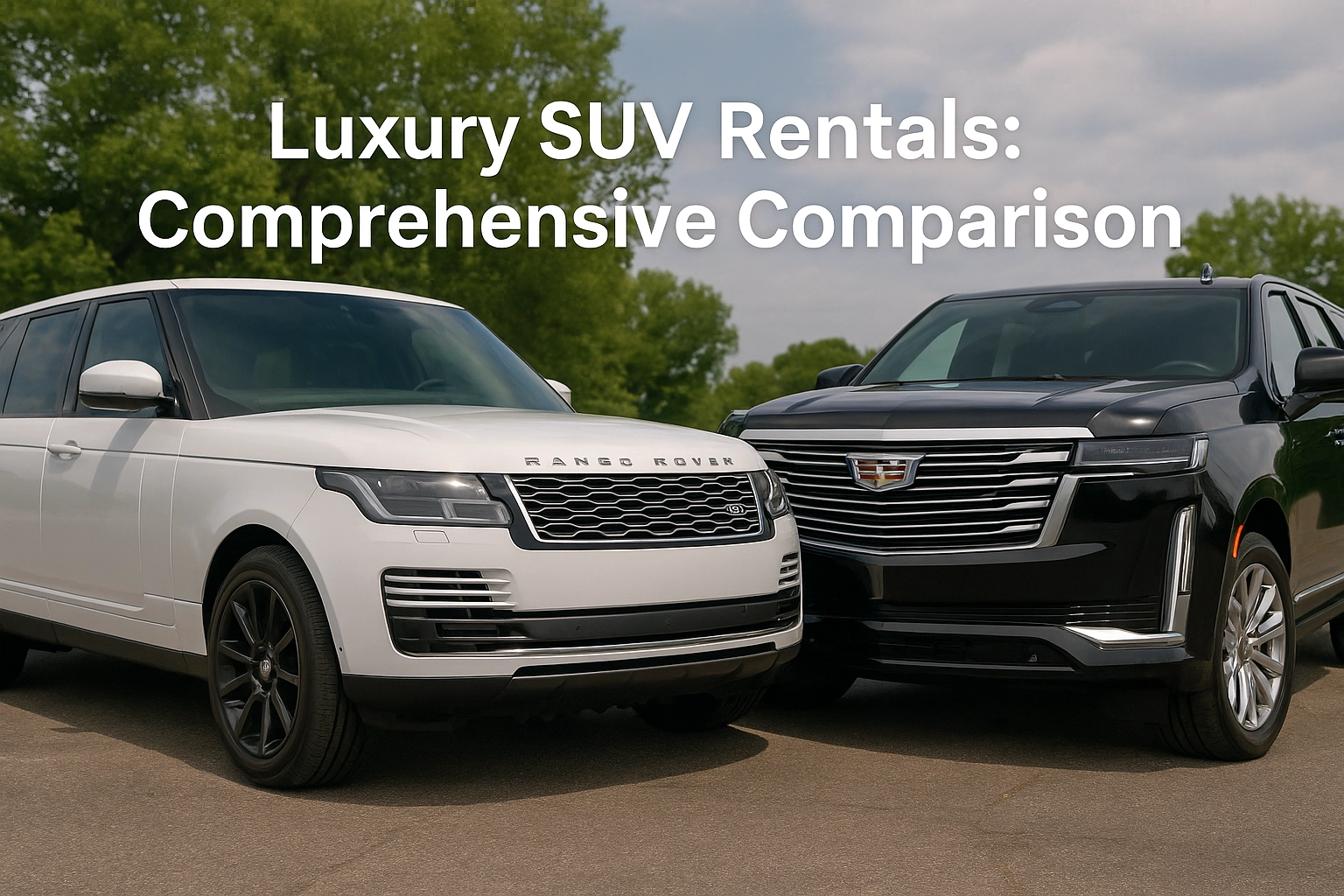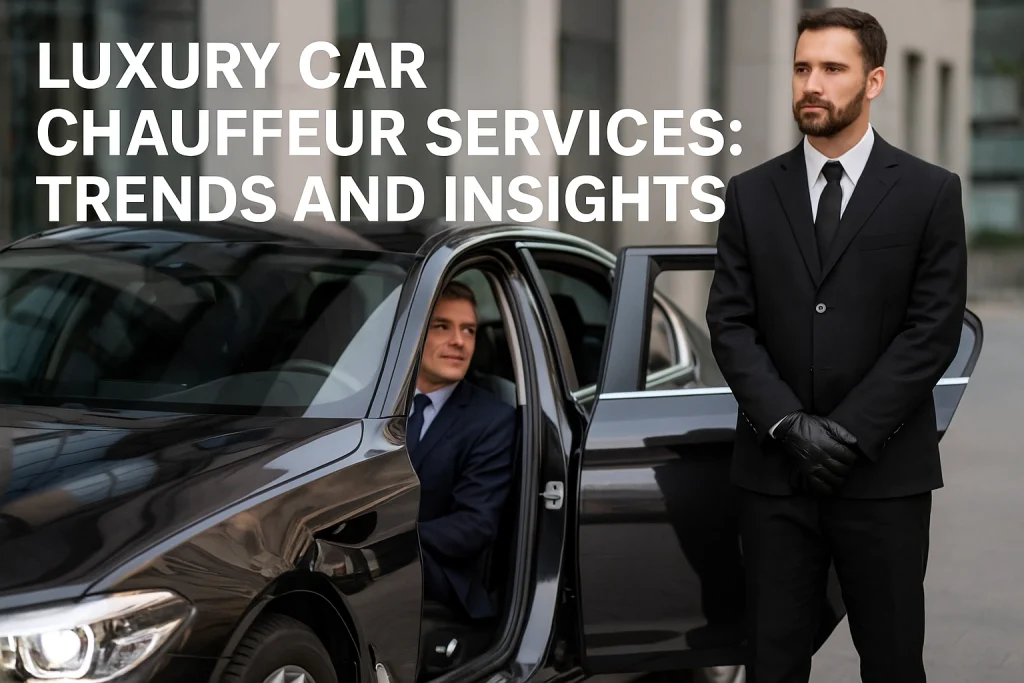
What defines luxury on the move today, and what will it look like tomorrow? The luxury car chauffeur service market is evolving quickly, shaped by new client expectations, technology, and sustainability pressures. For operators, travel buyers, and hospitality partners, understanding these shifts is no longer optional. It is the difference between premium and forgettable.
This analysis lays out the key trends guiding the sector. You will learn how personalization is moving from courtesy to core deliverable, supported by data, discreet profiling, and refined service protocols. We examine fleet strategy, from electrification and hybrid mixes to vehicle selection that balances brand cachet with total cost of ownership. We assess digital capabilities such as instant quoting, real time tracking, and integrated duty of care, and how these tools influence conversion and retention. We also review pricing models, from dynamic rates to subscription and corporate agreements, plus regional market nuances that matter for global programs.
By the end, you will have actionable insights to benchmark your offering, allocate investment, and anticipate client needs in a changing luxury landscape.
Current State and Background
Industry snapshot
The luxury car chauffeur service industry delivers premium point to point and hourly transportation using high end vehicles, professional drivers, and tailored itineraries. Core clients include corporate executives, VIP leisure travelers, and event organizers who require punctuality and a brand appropriate presence. For business travelers, chauffeured transport preserves productivity by turning transit into working time and reducing the risk of late arrivals to critical meetings. Fleet staples include Mercedes-Benz S-Class, BMW 7 Series, and Rolls-Royce Phantom, equipped with Wi-Fi, water, and quiet cabins; providers that offer flexible bookings and doorstep delivery, a standard familiar to DFW Rentals Co., are setting the bar for convenience.
Global market growth and outlook
According to the global chauffeur car market report, the sector was valued about USD 54.2 billion in 2023 and is projected to reach roughly USD 188.9 billion by 2033, a 13.3 percent CAGR. North America held around 39.1 percent in 2023, or USD 21.19 billion, while Europe and Asia Pacific continue to expand. The adjacent premium rental category shows Europe leading with a 36 percent share and North America at 29 percent, signaling strong cross-pollination between rental and chauffeur demand, per the luxury car rental market analysis. Growth is driven by corporate mobility programs, tourism recovery, and rising appetite for personalized service, with 2025 trends emphasizing electrification and digital, always-on support.
How luxury chauffeur services differ from app-based rides
Key differentiators include service depth and reliability. Vehicles are late model, high specification, and meticulously maintained, with proactive replacements to avoid downtime. Chauffeurs are vetted and trained in etiquette, defensive driving, and route planning, elevating safety, discretion, and on-time performance. Pricing is transparent and contract friendly, helping enterprises avoid surge volatility and budget multi-stop roadshows. Service is personalized, from preferred routes and in-car amenities to airport meet and greet, supported by 24 by 7 assistance; buyers should request SLAs, vehicle class guarantees, EV options to meet sustainability goals, and flexible delivery or pickup aligned with white glove standards.
Emerging Trends and Innovations
Sustainability and smart technology integration
Sustainability has shifted from a nice-to-have to a decision driver for luxury car chauffeur service clients. Recent surveys show more than 40 percent of high-end travelers weigh carbon impact in transport decisions, and some markets have seen a 35 percent uptick in EV bookings despite premium pricing, indicating willingness to pay for greener options. Beyond vehicle choice, clients expect verifiable carbon reporting, credible offset programs, and eco-routing that minimizes idle time and congestion. Smart cabins are part of the equation, with over-the-air software updates, app-based climate presets, and privacy-first telematics that document trip emissions in client portals. Providers can differentiate by publishing quarterly sustainability dashboards, offering green-tier booking filters, and integrating IoT for tire pressure, battery health, and efficient HVAC control, actions consistent with current chauffeur car market analysis.
The rise of electric vehicles in the luxury sector
EVs are moving from pilot programs to core fleet assets. Industry observers project that by 2025, a majority of luxury fleets will include electric models, supported by their quiet ride quality, instant torque for smooth acceleration, and advanced ADAS suites that elevate passenger comfort and safety. Flagship EVs such as the Mercedes-Benz EQS, Tesla Model S, and Lucid Air illustrate how range, rear-cabin amenities, and immersive infotainment meet executive expectations. Operators should invest in mixed charging strategies, including depot Level 2 for overnight, targeted DC fast charging near airports and business districts, and preconditioning protocols to protect range in extreme temperatures. Practical policies, such as guaranteed range buffers, charger access agreements, and EV-specific concierge training, align with documented luxury transportation trends.
Increasing role of AI and seamless tech experiences
AI is becoming the backbone of premium service delivery. Machine learning models personalize routes, cabin settings, and music preferences, while predicting maintenance needs to cut downtime and protect on-time performance. Operators report stronger retention when AI augments dispatch decisions, balances driver utilization, and automates proactive client updates through real-time ETAs and digital receipts. For providers like DFW Rentals Co., practical steps include CRM-telematics integration to remember client profiles, geo-fenced pickup logic for airports and venues, and NLP-powered booking that captures itinerary nuances without back-and-forth calls. The result is a compound effect, higher punctuality, fewer service variances, and a consistently premium, tech-forward journey that scales across short-term and long-term bookings.
Evolving Customer Expectations
Real-time booking and live tracking
Clients now expect the luxury car chauffeur service to match the immediacy of modern apps. Real time scheduling, instant confirmations, and live vehicle tracking are becoming table stakes. This transparency lowers wait anxiety for corporate travelers and improves on time arrivals. As outlined in smart tech for elite travelers, operators are exposing vehicle locations and ETAs in app. Cloud based dispatch, noted in trends shaping 2025, enables dynamic reassignments, rerouting, and smarter multi stop planning that keeps itineraries reliable.
Cashless transactions as the default
Cashless convenience has moved from nice to have to standard. Corporate accounts expect card on file billing, mobile wallets, and automated invoicing that flows into expense systems. One click checkouts and tokenization cut booking time and reduce payment errors at the curb. Biometric verification is emerging for high value trips, adding strong authentication without slowing riders. For implementation, prioritize PCI DSS compliant gateways, tipping controls, and digital receipts, then add corporate portals that set spend limits and consolidate reporting for travel managers.
Personalization as the luxury signature
Personalization is now the core of the luxury experience, not an add on. Guests expect remembered preferences across vehicle selection, route choices, cabin climate, playlists, and in car amenities. AI assisted profiles can predict needs based on travel patterns, which lets teams pre stage vehicles, stock specific refreshments, and brief chauffeurs with context before arrival. For example, a client who prefers roomy rear seating and extra power outlets could be matched with a Ford F150 Platinum, while leisure travelers might favor an open air Jeep Wrangler option. Offering opt in eco or quiet ride settings, multilingual driver matching, and child seat configurations extends white glove service at scale and builds loyalty. Combined with real time booking and cashless ease, these touches define the new baseline for luxury car chauffeur service quality.
Target Demographics and Usage
Typical users
Typical luxury car chauffeur service users are corporate executives, high net worth individuals, and high frequency luxury travelers. They prize punctuality, quiet cabins to work, and arrivals that project credibility. Ownership demographics, a proxy for renter preferences, skew 35 to 49 at 42 percent, 20 to 34 at 31 percent, and 7 percent women, per the JBR Capital Luxury Car Report. Expectations include 24/7 support, immaculate maintenance, and customized delivery and pickup. For DFW Rentals Co., that translates to white glove airport coordination and tech forward cabins that enable productivity between stops.
Influencers and content creators
Influencers and content creators are a fast growing usage category. Creators increasingly rent supercars solely for short form clout, highlighting the promotional value of photogenic vehicles, as covered by NDTV. Providers respond with creator focused packages that add dynamic lighting and camera ready interiors, illustrated by influencer ready ride concepts. Actionable specs include panoramic roofs, configurable ambient lighting, low reflection dashboards, and abundant USB C power. DFW Rentals Co. can position the Ford F150 Platinum for cinematic rolling shots and the Jeep Wrangler for outdoor lifestyle reels, bundling driver assistance and route scouting.
HNWIs and corporate remain core
HNWIs and corporate accounts remain the revenue core, prioritizing reliability, privacy, and discreet chauffeurs. Usage clusters around airport meet and greet, board roadshows, and event shuttles where on time performance protects schedules. Sustainability is now a decision factor, so access to low emission options and transparent maintenance practices can win procurement approvals. Package design should include as directed hourly service, executive transfer bundles with guaranteed vehicle class, and optional carbon reporting. Tie each offer to measurable outcomes, minutes saved door to door and rider satisfaction scores, to prove ROI beyond prestige.
Case Study: DFW Rentals Co. Approach
Unique fleet and services
DFW Rentals Co. aligns its portfolio with the needs of luxury car chauffeur service users, including self-drive executives and teams. The fleet spans premium SUVs and specialty vehicles such as BMW X7, Mercedes AMG G63, Chevrolet Suburban LTZ, Land Rover Discovery, Tesla Model X with 6 seats, Jeep Wrangler, and the Ford F150 Platinum, plus a wake surf boat for leisure. This variety lets coordinators match attributes to each mission, for example Model X for quiet, tech-forward transfers or Suburban LTZ for multi-passenger comfort. Vehicles arrive in pristine condition, with modern driver assistance and cabin technology that support productive travel and a refined ride.
Flexible bookings and delivery
DFW Rentals Co. structures its process around time savings, a core benefit for corporate travelers. Clients can book online, then arrange delivery to DFW Airport, hotels, homes, or service centers, minimizing transitions between flights and meetings. Industry research shows premium rental providers commonly offer customized delivery and 24/7 support, which correlates with higher satisfaction and punctuality. Actionably, align delivery windows with flight ETA buffers, pre request cargo configurations or child seats, and confirm return pickup to reduce handoff friction. For roadshow itineraries, plan sequential drop-offs across venues to keep teams on tempo and reduce uncertainty.
Personalized, white-glove service
Personalized, white-glove service differentiates the experience, connecting logistics to brand outcomes. Concierge touches can include tailored vehicle selection, preconditioning, in-cabin requests, and VIP delivery etiquette that create a strong first impression for client meetings. Research ties premium travel to higher productivity, well-being, and retention, making these touches more than niceties. Sustainability targets can be advanced by prioritizing the Tesla Model X for city transfers, aligning with 2025 trends toward eco-friendly, high-tech rides. Practical steps include sharing executive preferences in advance, specifying seat layouts and charging or fueling needs, and confirming luggage staging. For details or tailored packages, visit the DFW Rentals Co. website.
Future Outlook and Opportunities
Projected advancements in luxury chauffeur services
Over the next 12 to 24 months, electrification will shift from pilot programs to baseline expectations in luxury fleets, supported by quieter cabins, instant torque, and measurable emissions reductions that resonate with executive travel policies. AI will mature from simple dispatching to full decision support, optimizing routes in real time, predicting maintenance windows, and surfacing client preferences, which elevates comfort and punctuality for corporate travelers. In-car experiences will continue to converge with mobile offices through 5G Wi Fi, voice controls, and seamless device integration. Semi-autonomous safety features will expand, improving ride smoothness and reducing fatigue on longer itineraries. These vectors are widely cited in industry analyses such as Trends for 2025 in the chauffeur industry and Future of luxury transportation in 2025.
Growth and client engagement opportunities
Sustainability-forward clients present immediate growth, particularly for corporate accounts that track Scope 3 emissions and prefer electric or hybrid bookings by default. On-demand and subscription models can deepen loyalty, for example, monthly executive shuttle passes with guaranteed vehicles, bottled amenities, and priority support for flight delays. Event logistics, from roadshows to film production, are another avenue, where a mixed fleet supports both VIP transport and equipment escort, a natural extension for DFW Rentals Co. given flexible booking and delivery. Concierge-level touches, including preferred routes, curated playlists, and quiet cabins for calls, turn one-off rides into long-term relationships. Transparent SLAs, 24/7 assistance, and proactive status updates further differentiate the experience.
Strategies to stay ahead
Prioritize a phased EV roadmap, starting with high-utilization city routes, paired with depot charging and incentives for off-peak charging to control costs. Implement AI-enabled operations, including predictive maintenance to reduce unscheduled downtime and CRM-driven personalization that remembers seating, climate, and beverage preferences across bookings. Elevate chauffeur training with modules in executive etiquette, data privacy, and advanced defensive driving, then audit performance against targets like 98 percent on-time arrivals and sub-2-minute average response times. For DFW Rentals Co., pilot a hybrid model that bundles white-glove delivery, self-drive options, and a luxury car chauffeur service for airport legs, all managed inside a single client portal. This integrated approach positions the brand to adapt as technology and expectations continue to evolve.
Conclusion and Key Takeaways
Across this analysis, the luxury car chauffeur service emerges as a lever for punctuality, productivity, and brand impact. Corporate travelers save time and arrive meeting ready, supported by 24/7 customer care, live tracking, and rigorous maintenance. Preferences center on quiet, tech rich cabins, with long wheelbase sedans and premium SUVs covering executive and team needs. Sustainability is decisive, with surveys indicating more than 40 percent of premium travelers now weighing environmental impact. DFW Rentals Co. meets these priorities through flexible bookings, white glove delivery and pickup, and a curated fleet that fits short and long term itineraries.
To act, segment travel use cases, then codify vehicle classes, cabin features, and service level agreements, for example on time arrival of at least 95 percent and sub five minute support response. Require real time tracking, digital receipts, and driver vetting, and integrate bookings with calendars and payments. Pilot electric options, capture carbon reporting, and measure time saved and traveler satisfaction. Build a preferred playbook for VIP, group, and extended rentals. Prepare for connected car analytics and early autonomous pilots to compound gains over the next 12 to 24 months.